01 · THE INHERITANCE
What We Carried
Knowledge of planting and tending, food and water, the rhythms of celebration and grief, herbal traditions, faith, songs, stories, birth knowledge and the care of a household.
The Kalabash brings Southern Black American and Caribbean traditions into one vessel. Each tradition carries its own history; together, the plants, foodways, birth knowledge, ceremony, art, and community practices make this a living cultural house.
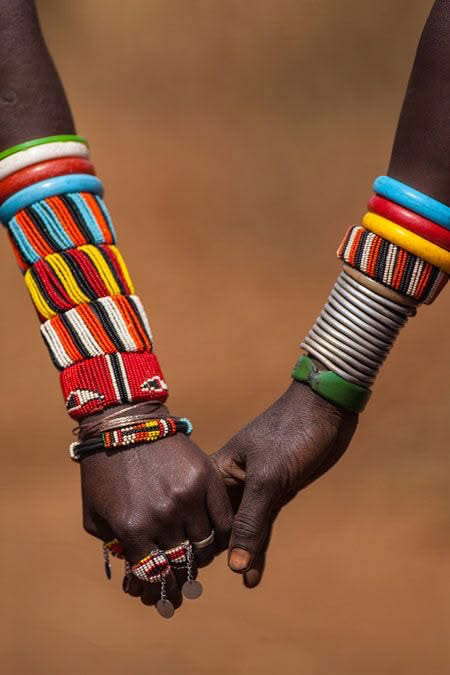
A vessel for what people remember, change, and keep in practice.
01 · THE INHERITANCE
Knowledge of planting and tending, food and water, the rhythms of celebration and grief, herbal traditions, faith, songs, stories, birth knowledge and the care of a household.
02 · THE ADAPTATION
Materials, languages, names, and practices shifted as people moved — sometimes by choice, sometimes through displacement and violence. Communities made new forms without letting every memory disappear.
03 · THE PRACTICE
Cooking and growing, teaching young people, midwifery histories, making objects by hand, collecting oral histories, honoring local keepers, and giving living culture room to continue.
THE VESSEL ACROSS WATER AND GENERATIONS
Before it became the name of our house, the calabash was an object people could hold in their hands. Dried gourds became bowls, drinking vessels, containers for grain and seed, rattles and other musical instruments, and — in particular communities — vessels used in ceremony. Their forms and meanings were never identical everywhere.
Its story opens a conversation about the many things African and diaspora communities have preserved, transformed, and made their own.
WEST AFRICA
Among Yoruba communities in southwestern Nigeria, gourds have carried water, palm wine, food, and medicinal preparations. Decorated calabashes also appear in craft and particular ceremonial settings. The beaded ṣẹ̀kẹ̀rẹ̀ turns a dried gourd into percussion. Among Ewe communities in Ghana and Togo, the related axatse carries a different musical identity. Across West Africa, gourds are useful things made beautiful, and beautiful things put to use.
HAITI
In Haiti, the kalbas is part of material and cultural life. Gourds may become household vessels or musical rattles. The tchatcha, a rattle traditionally made by filling an emptied shell, is one instrument found in Haitian music and some Vodou contexts. These living Haitian practices bring together African inheritances, local histories, faith, and creative innovation.
JAMAICA
In Jamaica, the tree calabash became part of food, drink, craft, music, and household life; the packy is one name associated with a calabash vessel. Gourds can also resonate in traditional music, including instruments such as the benta. The island's Maroon communities preserve their own histories of resistance, land, foodways, drumming and cultural knowledge. Their customs reflect generations of resistance, community stewardship, and cultural continuity.
THE BLACK AMERICAN SOUTH
Across coastal North Carolina, South Carolina, Georgia, and Florida, Gullah Geechee communities preserved and reshaped West and Central African inheritances in food, agriculture, language, belief, and craft. Rice knowledge, sweetgrass basketmaking, ring shouts, and foods such as Hoppin' John tell stories of ingenuity and cultural continuity. Gourds also appear in Southern households and fields, used as containers, drinking vessels, dippers and useful utensils. Together with rice cultivation, basketmaking, farming, music and oral traditions, these practices reflect communities adapting knowledge to their environments.
Many crossings. Many distinct histories. The Atlantic connected these places through forced migration, trade, resistance, and later cultural exchange. The movement of people, objects, plants, knowledge and traditions has continued through centuries of trade, forced migration, resistance, return journeys, migration within the Americas and cultural exchange. These communities remain in conversation across the water.
Selected historical and cultural references:
The Kalabash keeps culture in practice — not behind glass.
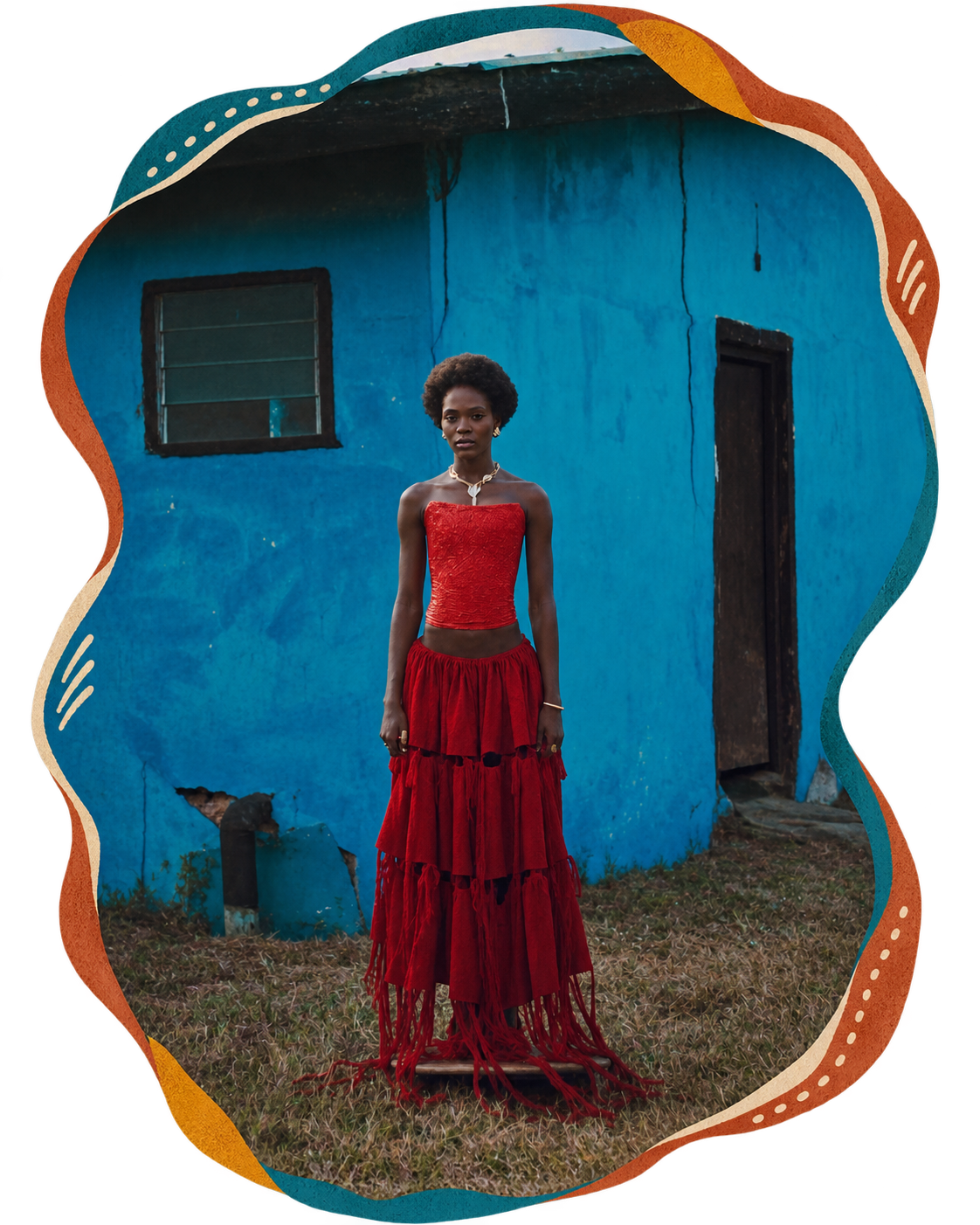
It gathers the knowledge that crossed water, changed on new soil, and remained alive through memory, work, foodways, birth traditions, art, and relationship.
Explore the House →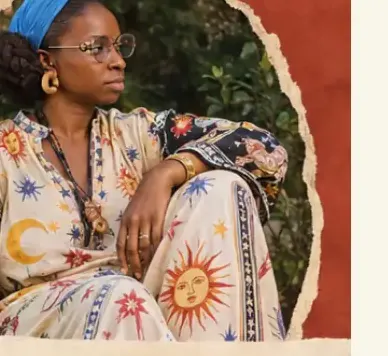
Traditional birthworker & holistic doula · Herbalist · Educator · Facilitator · Cultural preservationist
“I wanted to create a house where what our people kept alive could be practiced in the open — at the table, in the garden, at a birth, and across the water.”
Southern Black American and Caribbean lifeways meet inside BriAnkh-Ka's calabash. She brings foodways, gardens, music, traditional forms of care, family gatherings, and rites of passage from the Black American South into conversation with Caribbean herbal knowledge, folklore, island traditions and ceremony. Each has its own history. Together they form the many living parts of her work.
Known as Mama Mystik, BriAnkh-Ka's relationship with community care began with her own questions about health. A lupus diagnosis in her teens led her to research nutrition, stress, movement and non-pharmacological ways of supporting well-being. She later studied biology in college while deepening her education in herbalism, holistic living and traditional birthwork.
Her creativity and practice extend far beyond one discipline. She has worked with natural hair through braiding, weaving, twists and locs; made handcrafted botanical goods; cared for families through pregnancy and postpartum; and worked in hospitality and tourism at Disney and aboard cruise ships. Travel, work, spiritual study and relationships with communities across different places have shaped her understanding of welcome, cultural exchange, and the ways people carry knowledge.
Her earlier endeavors include Secrets Kept in Nature, Atabey’s Birth Path, and The Herbal Farmacy. They now sit alongside the Maternal Medicine Garden Project, international cultural experiences, The Kalabash LLC and The Kalabash Collective, Inc. Inside one calabash, she brings together everything she has learned from classrooms, gardens, birth rooms, markets, journeys and the people she has met—creating spaces where culture can be practiced, taught, preserved and passed forward.
Connect With the House →The Kalabash LLC and The Kalabash Collective, Inc. carry connected parts of the work.
Teachings, immersions, goods and cultural experiences.
Explore the House →Cultural preservation, community programming and partnerships.
Meet the Collective →Step inside the Kalabash and find the part of the house that is calling you.
Explore the House → Join the List →New teachings, gatherings and goods — sent when there is something worth sharing.