The Kalabash Archive

The Record.

What we document becomes part of the record. Articles, interviews, photography, cultural history and field notes tracing what we carried, what changed, and what we continue to practice.

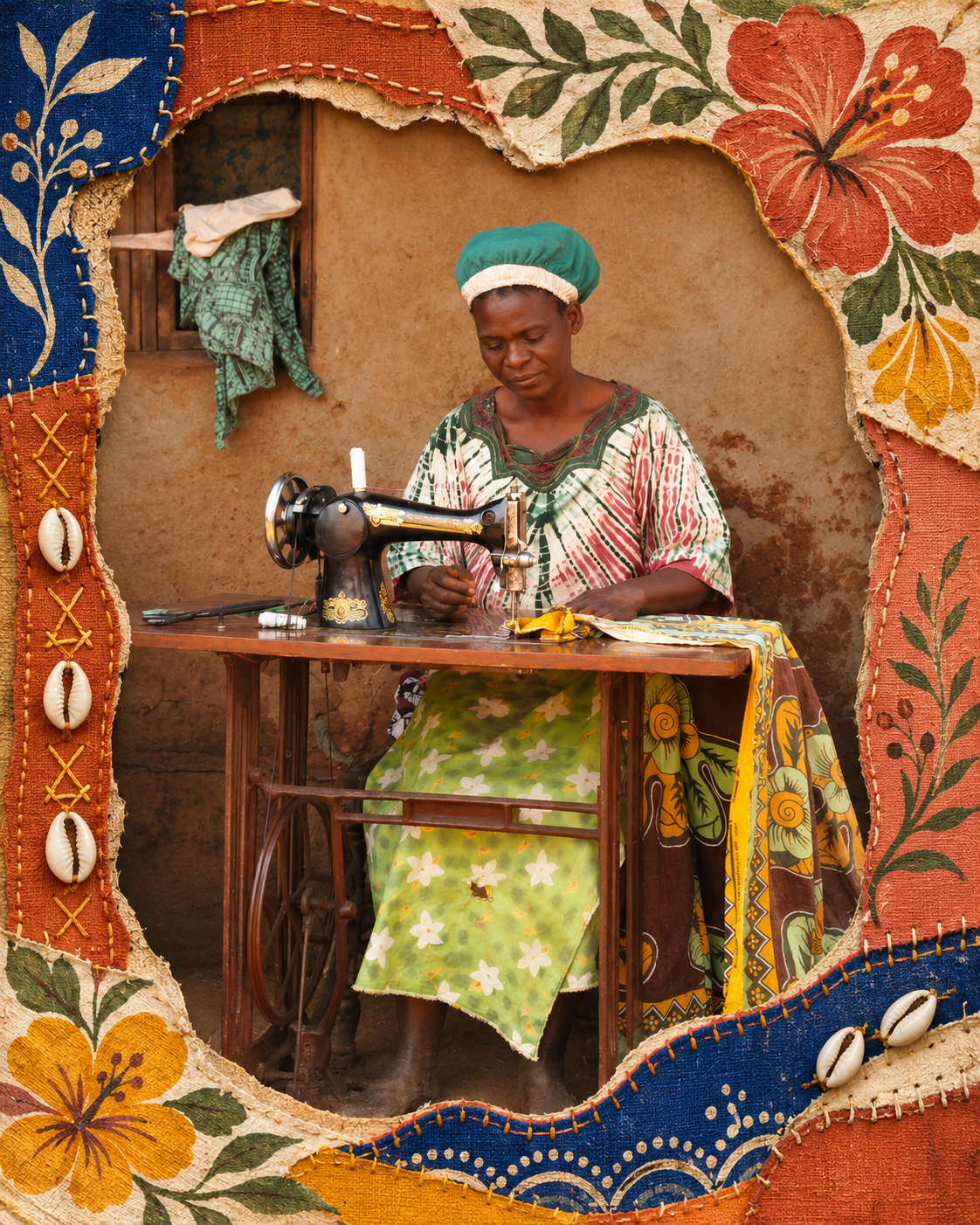
Woman sewing on a traditional machine, surrounded by hand-painted botanical details

Featured in the Record

Cultural history and living memory.

The Gourd Across the Diaspora

Tracing the vessel through African, Caribbean, and Southern Black American life.

Read and research our living cultural histories.

Explore the Archive →

Listen / Watch / Read

From oral histories to field notes, entries are added as they are ready.

Opening the archive…

For the Record

A photographic record, field journals, interviews, maternal histories and cultural notes.

Cultural History

Follow vessels, foodways, arts, songs, rituals, and material culture across West Africa, Haiti, Jamaica and the Black American South. We investigate community histories through documented sources, interviews, and the voices of the people carrying cultural knowledge.

Birthwork

An ongoing study of Black midwives, traditional birthkeepers, conception and pregnancy knowledge, postpartum recovery, newborn care, family autonomy, maternal health equity, and the systems shaping reproductive life across generations.

Field Notes

Field journals from garden work, cultural exchanges, oral-history conversations, family archives, photographs, travel, ceremony, community gatherings and the process of building The Kalabash. Each entry records what was learned and who shared it.

WRITING FROM INSIDE THE KALABASH

The Record Continues.

Field notes and long-form essays will be added as they are written. Once our Substack publication is created, this page will preview recent essays and link directly to their full texts. In the meantime, Kalabashians can receive announcements of new writing.

Join the Kalabashians for New Writing →

Letters for the Kalabashians

New teachings, gatherings and goods — sent when there is something worth sharing.

Join the Kalabashians →